Skip to the six-scene story

How recalls work

A headline.
A fridge.
A lot of questions.

A recall makes the news. Figuring out what it means for your food is another story.

Follow the story

Six scenes, at your pace. No sound needed.

Illustrative shopper checking a generic food package with a phone
AI-generated lifestyle illustration; not an actual customer or recalled product.
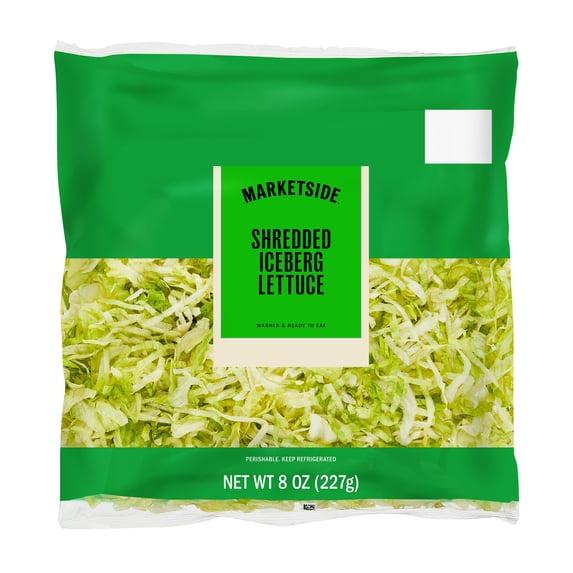
One product named in the historical recallRetailer reference: Marketside shredded iceberg lettuce, 8 oz
Retailer reference photo.
Not proof of an affected package.
01 / The announcementJuly 17–18, 2026

First, an official notice.

A recall identifies food to remove from the market. Its notice helps explain which products are included and what to do.

Does every recall begin with an FDA announcement?

No. Companies usually initiate food recalls voluntarily. In this example, an outbreak investigation preceded the recall. An outbreak, a recall and an investigation are related but distinct events. FDA recall explainer (opens in a new tab or browser)

02 / Information travelsRoutes, not a fixed schedule

The notice goes out.
Life keeps moving.

A person might encounter a news story, an alert or a shared link. Each can show a different slice of the information.

Explore an information channel
Official notice

A headline gets your attention.

You may need the original notice to check the exact products and dates.

An alert can narrow the search.

Compare the retailer’s notice with your package. Alerts and their availability vary.

A link starts a conversation.

Follow it back to the official source and check its date. A shared summary may leave details out.

Illustrative communication paths. They do not imply that everyone sees the notice or receives an alert.

03 / RecognitionAn illustrative moment

“Wait. I bought lettuce.”

A familiar food name raises a personal question. Where you got it changes what you can check.

Choose a situation to explore

Start with the package you have.

Compare the product name, size and printed date with the official notice. A familiar brand alone does not establish a match.

There may be no package to check.

Ask the restaurant about the meal date and ingredient source. Official outbreak guidance gives context that a barcode scan cannot provide.

The historical outbreak involved retail and foodservice products. These situations are educational examples, not a determination about your food.

04 / The details matterOne retail example

Same food.
Specific details.

A photo helps you recognize a product. The official notice defines which packages are included.

Retailer reference of Marketside shredded iceberg lettuce
Current retailer product reference; historical packaging may differ. No affected date verified on this image.
From the July 2026 recall notice

Marketside
Shredded Lettuce

Package sizes
8 oz or 16 oz
Best if Used By
July 18–August 3, 2026
What should I compare?

Check all applicable details together, including retailer and distribution information in the full notice. A barcode or photograph alone may not be enough.

See the full product list and official instructions (opens in a new tab or browser)
05 / The missing piecesUncertainty needs a next step

What if the bag is gone?

You might remember the meal but not the label. Missing information should stay visible.

I can’t read the package date.

Look for identification details and contact information in the notice. If a deciding detail cannot be verified, the answer may remain uncertain.

I ate lettuce at a restaurant.

You may not have access to the supplier’s packaging. Ask the restaurant about the meal date and ingredient sourcing, and consult the official outbreak guidance.

I have symptoms and I’m concerned.

Contact a health care provider for assessment and care. A package check cannot diagnose an illness. Read CDC’s historical outbreak information (opens in a new tab or browser)

“I can’t tell yet”
can be an honest, useful answer.

06 / A next stepEvidence first

From a question
to a clearer next step.

A useful answer connects the food, the evidence, what’s missing and what to do.

What clarity looks like

  1. Identify the product.Does the name and package match?
  2. Check the deciding details.Use the identifiers required by the notice.
  3. Keep uncertainty visible.Missing evidence is not a safety guarantee.
  4. Follow the official action.In this historical recall, the company instructed consumers to discard affected lettuce and not eat it; refunds were available.

Historical instructions, not a new alert. This outbreak has ended.

Read the original instructions (opens in a new tab or browser)
Explore an example package-check result
Educational demonstration · Historical recall

Possible match

A required package detail is missing.

Product in this example
Marketside Shredded Lettuce, 8 oz
What this demonstration compares
The example product name and size with the historical notice
Still unknown
The printed Best if Used By date and other applicable package details
Next step
Compare the package with the full notice. If a required detail cannot be verified, consult the retailer or the notice’s contact.

No live check was performed. This example does not determine whether any real package is recalled and cannot be saved as a checked product.

Supporting historical notice (opens in a new tab or browser)

Source reviewed November 6, 2026. This outbreak has ended.
FoodChecker

The headline is a starting point.
Your package deserves a closer look.

FoodChecker helps you apply reviewed recall information to a package, understand the result and find the next action. A check does not certify that food is safe.

Check my package Browse recall notices

These actions open the current FoodChecker experience. Historical example details are not carried into your check.

The evidence behind this story.

Sources reviewed . Official events are documented; people, communication paths and household situations are illustrative.

FDA · Company recall noticeAnnouncement dates, affected products and historical instructions (opens in a new tab or browser)FDA · Outbreak investigationRetail and foodservice context; investigation closed October 2, 2026 (opens in a new tab or browser)CDC · Final outbreak updateOutbreak declared over September 11, 2026 (opens in a new tab or browser)Walmart · Product referenceRecognition image; not proof that a pictured package was recalled (opens in a new tab or browser)FDA · Understanding recallsGeneral context on notices and product identification (opens in a new tab or browser)

Lifestyle image: existing FoodChecker AI-generated creative. No customer testimonial is implied. Product imagery is a retailer reference, not evidence that a pictured bag was recalled.

Back to the beginning